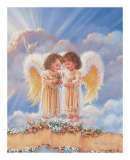
1. Based on my reading from pages 3 – 6, the ones that made most sense to me were cultural understanding, personal communication and expression, and a core participant in learning in school because of my background and experiences. For example, the cultural understandings it brings great memories because going back to my elementary school years, I remember how our Art teacher would allow us to expand our minds while learning about a different culture, religion, and its history. Culture it’s not just about what food we eat, what customs we have, holidays, etc. Better yet, culture is based on how we define its own politics, defining religious beliefs, and relating art into its part of culture. Next, personal communication and expression I believe is the key to connect to the wonders of Art. Why? Let think for a second. . . what happens when we draw something and behind the drawing there is an interpersonal meaning that no one knows the meaning but you. Now, how is it possible that we can say so many things from an individual painting that we created, but another person can say just a few things? I remember when I was in the 7th grade, I drew the scenery of beautiful angels being lighted with the hands of Gods, to me in had so much meaning because I could immediately communicate my expressions, and thoughts, through Art by imaging how it would be to live in such angelic place. Then, the subject pertaining to a core participant in learning in school has a lot of value to the core curriculum because it emphasizes in each category how we can relate art within social studies, science, math, reading, writing. When we blend all in one in relation to Art we can immediately say that a new excitement has arrived because not only are we learning about its history, but using it in the sense that sometimes we can implement it while using hands-on activities. For instance, when I was younger I remember in my social studies class how we had to study why different parts of the world had different myths and art of the Native and African American.
On the other hand the ones that did not make any sense were national needs and making the ordinary important and special. The reason that I said national needs it’s because not every national need citizen have to have a higher mentality or simply who can think for themselves. Without guidance and support we can’t rely on doing things that we want in any particular way. Subsequently, making the ordinary important and special doesn’t make sense to me because not everyone beliefs that Art should be put first from anything. For example, during my first years of college our professor assignment was to go the Arts museum and learn about the Aztecs, African Americans, and the Chinese culture. Next thing you know we had half of the class saying that they should of majored in Art since Art was an easy areas to major. So, that being said just because we are surrounded by astonishing things it doesn’t mean that we now have to have passion for Art. All its saying is that we must take in consideration as to why we have our own meaning to Art and what does it truly mean.

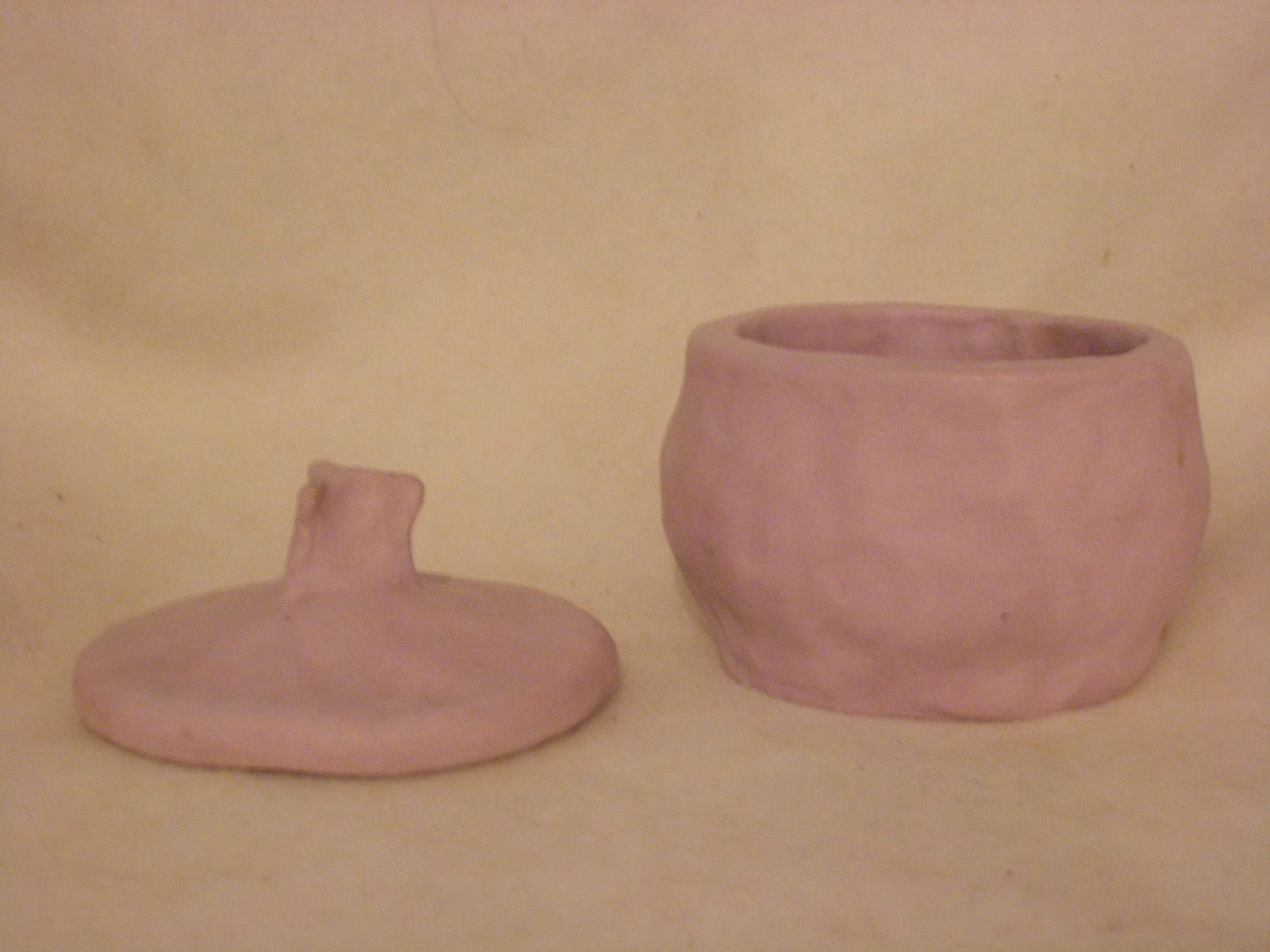
2. There are three approaches to Art, contextualist, media, and formalist approach. The one that I have personally experience is the media approach. The way that the media approach was taught to me and other classmates was that our teacher would implement art elements, concepts, and principles. For example, the making of the piñata, how it had its own history, the value that the Mexican culture has and why they are accustomed to having a piñata in celebrations. Media approach was taught in a way that we understood that Art its not just about drawing, reading, or visualizing, but to actually experience and know its facts about its purpose. Another project that came up to mind was in my 5th grade year I remember Ms. Rodriguez allowed us to make a clay pinch pot. From what I remember the clay pinch pot was made out of clay, cloths, sticks, water toothbrush, and brushes. I remember it was quite a difficult task because I couldn’t get my pot to be rounded from the inside until my teacher assisted me. However, it was a great project to work on. Then in 6th grade we had to hand made a guitar. Now, that was fun!, because our guitar was made out of a tissue box, rubber bands, straws, and a paper towel roll, and paint to decorate it.
 |
| Pinch Pot |